
The unpredictability of CAD symptoms makes everyday planning a challenge
I have to plan my calendar provisionally, with no promises or guarantees
Written by |

It is now Sunday afternoon at 4:30 p.m. Yesterday, I ended a 10-hour shift at work just half an hour earlier, at about 4 p.m. I got home shortly afterward and plunged into the comfort of my bed, where I stayed until about 7 a.m. today. Now, after close to 24 hours, I have enough energy to put more than two words together.
I do part-time work here in the United States for a company that services things like sporting events and concerts. Yesterday, for a football game, I started working at 6 a.m. I signed up for the event thinking that since the work wouldn’t require lifting, pulling, or long walking, I could manage it. But I was wrong.
That’s the tricky part of cold agglutinin disease (CAD). I can never tell before I do something how long it will take me to recover. CAD is a rare autoimmune blood disorder often caused by cold temperatures. This triggers the body’s immune system to mistakenly attack red blood cells, resulting in circulatory problems and anemia.

CAD doesn’t give a heads up
Basically, I know I am tired most of the time. However, since my specific job was to guard a doorway and stop unauthorized entry, I thought I would finish work with lots of time for recovery before Sunday. But CAD surprised me yet again.
Other people with CAD report on this unpredictability of the disease as well. A 2026 dissertation at the University of Memphis identified “unpredictability and symptom variability” as a key subtheme for CAD patients. Author Paul Mowry writes, “There is a long list of common symptoms, and these symptoms can flare up at any time with no warning and in no particular order, making it difficult to plan. Two participants [in Mowry’s study] described the challenges associated with CAD symptoms being so unpredictable.”
That is exactly why I haven’t gotten up today. I thought I had allowed enough time to recuperate, but CAD tricked me.
The next challenge is how to plan for the future. As I looked at my schedule for the rest of this month and into November, the first thing I did was to consider the work events I’ve already requested. Two are indoor basketball games on weeknights. I have no plans for the morning the next day except tutoring, which I can do sitting down.
The other is another football game. The end time is 6 p.m., but the actual work ends well past that, so I canceled my request. I don’t want another Sunday spoiled by bad planning.
Another item on my calendar: I need to plan a Thanksgiving dinner with my father. No siblings are available to help, and my children live too far away. I’m not complaining, I just can’t delegate this. Although my Southern-girl heart is breaking as I type this, I plan to order the dinner from a restaurant in advance.
I have one more item on my to-do list. When Post-Tropical Cyclone Isaias came through this area earlier this month, it blew over a 75-foot, 150-year-old pine tree on my property. As it fell, it damaged several other nearby trees and ornamental bushes. I need to determine how I will clean up this mess and when I can replace the trees.
My nephew, a college student, is already doing some of the work. But he doesn’t actually have time in his schedule to do it all. Before CAD, I would’ve grabbed a chainsaw and done the work already. Now, it takes major planning with unreliable resources.
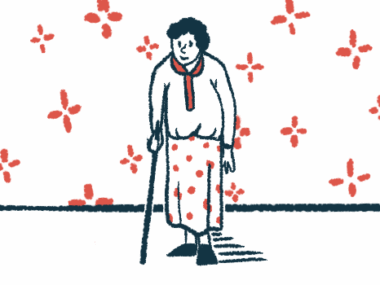
I have to plan my calendar provisionally, with no promises or guarantees. Since Saturday’s long shift left me in bed for a day, I’ve learned that I must adjust my expectations to allow for CAD’s changing requirements. I need to be clear in communicating those expectations to family and friends, and I must be flexible enough to absorb the unexpected in life. The only thing I can rely on with CAD is that it will surprise me.
Note: Cold Agglutinin Disease News is strictly a news and information website about the disease. It does not provide medical advice, diagnosis, or treatment. This content is not intended to be a substitute for professional medical advice, diagnosis, or treatment. Always seek the advice of your physician or other qualified health provider with any questions you may have regarding a medical condition. Never disregard professional medical advice or delay in seeking it because of something you have read on this website. The opinions expressed in this column are not those of Cold Agglutinin Disease News or its parent company, Bionews, and are intended to spark discussion about issues pertaining to cold agglutinin disease.


Leave a comment
Fill in the required fields to post. Your email address will not be published.