
With my health from CAD steadily declining, I call in the cavalry, part 2
A columnist describes how CAD challenges led to depression
Written by |





Editor’s note: This story includes discussion of suicide. If you or someone you know needs help, the national suicide and crisis lifeline in the U.S. is available by calling or texting 988. There is also an online chat at 988lifeline.org. Internationally, find a suicide prevention helpline at findahelpline.com.
Second in a series. Read part one.
I recently traveled from my home in Sentani, Indonesia, to be treated for cold agglutinin disease (CAD) at the Spencer Cancer Center in Alabama. I wrote last week about the start of my treatment, but this week, I want to write about my struggle with depression. As my health has declined this past year, so has my emotional well-being.
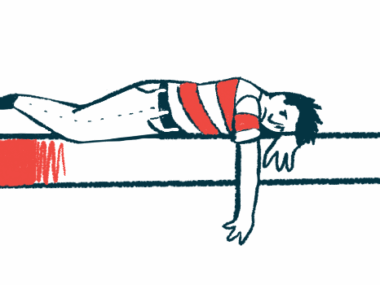
Before I traveled to the U.S. for treatment, I found myself with no energy to do anything and with no compelling reason to get out of bed. Days, weeks, and months are sometimes paralyzed by a loss of interest. I would lie in bed, watching YouTube videos I couldn’t concentrate on, which is another symptom of depression that I call brain fog.
I often feel quite useless, and that starts my mind down a dark path. The dark thoughts go like this: I think about my life and become discouraged. I recall myself as the odd kid out in school and the one with no close friends in college. Now, I don’t see many chums I can be silly with, or shop with, or what have you. But even as I have these thoughts, I know they aren’t entirely true.
While I was the odd kid out, I do have friends from that time, and every claim I just made can be refuted. But that doesn’t stop me from thinking the world would be better off without me. That thought is too close to self-harm or even suicide. However, I have a strong faith and a determination to follow the Sixth Commandment: “You shall not murder.”

How CAD can result in depression
This morning, I read a great article here on Cold Agglutinin Disease News about the warning signs of depression. As I read the list, I related to every item except the last one.
CAD’s connection to depression may seem like a stretch. CAD is a blood disease where, under certain conditions, red blood cells are destroyed. This can lead to symptoms of anemia and fatigue that make it difficult for people to maintain their “normal” activities. Inactivity and a lack of sufficient oxygen to the brain can result in depression.
The Cleveland Clinic defines depression as “a mood disorder that causes a persistent feeling of sadness and loss of interest in things and activities you once enjoyed. It can also cause difficulty with thinking, memory, eating, and sleeping.”
I was officially diagnosed with depression for the first time last week during my infusion, despite always understanding those feelings. One of the main signals to me that my depression is worsening is a lack of sleep and being angry about things that aren’t that important. My first remedy is to go to bed anyway because sleeping helps me think more clearly.
During my treatment here, I’ve spoken to a counselor, and I’m considering a prescription for an antidepressant medication. Right now, I’m dealing with some side effects of the chemotherapy, so the counseling is on hold. I believe these resources are offered to us by God, so I’m going to use them.
Next week, I will discuss my recent bendamustine and rituximab infusions and the side effects I experienced. Not everyone will have the same response to treatment. Consult your doctor before starting or stopping a therapy.
Note: Cold Agglutinin Disease News is strictly a news and information website about the disease. It does not provide medical advice, diagnosis, or treatment. This content is not intended to be a substitute for professional medical advice, diagnosis, or treatment. Always seek the advice of your physician or other qualified health provider with any questions you may have regarding a medical condition. Never disregard professional medical advice or delay in seeking it because of something you have read on this website. The opinions expressed in this column are not those of Cold Agglutinin Disease News or its parent company, Bionews, and are intended to spark discussion about issues pertaining to cold agglutinin disease.


Patricia Fowler
I was diagnosed with CAD Jan 28,2025 and they want me to do the infusions but I refuse to put that garbage in my body. My thought is your depression that you’re having is probably coming from the infusions. It has so m me any side effects and it’s not worth it.
Hilary G. Derby
My Dr. (Physician's Asst.) wrote me an RX just over a year ago for Trazodone 50 mg tablets. I took 1/2 half of a pill and came up with delusions. What is the name of your prescription? Our CAD site came out with a warning regarding this drug and CAD/anemia but did not follow through with details.
PATSY NEAL
Mary...so sorry you are having depression... I am an Alabama gal withCAD and I do understand...
Hazel Schmidt
Find a hobby and keep busy at it. I find this keeps me going. I’m making dresses and knitting sweaters for the Immokalee kids. I also go to meditation class which is a great help.