
Preventive strategies allow safe lung transplant in man with CAD
Blood-cleaning procedure, warmth help avoid complications
Written by |
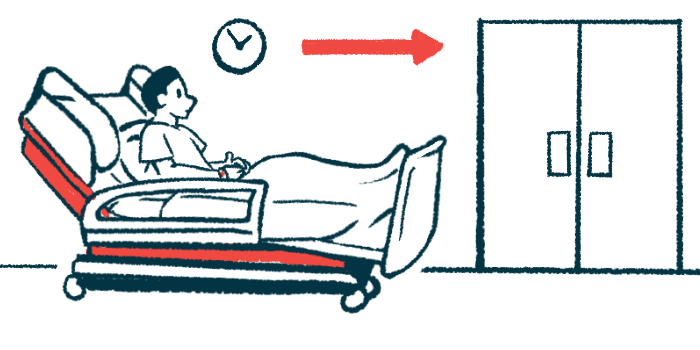
A 55-year-old man with severe lung disease and cold agglutinin disease (CAD) successfully underwent a lung transplant with no CAD-related complications thanks to several preventive strategies, a case study reported.
To avoid complications from a drop in body temperature during surgery, which could trigger CAD-related red blood cell destruction, the man underwent a blood-cleaning procedure to remove disease-causing antibodies before surgery and was kept warm during the procedure.
The study, “Successful Lung Transplantation after Plasma Exchange in a Patient with High Thermal Amplitude Cold Agglutinins: A Case Report,” was published in Surgical Case Reports by researchers in Japan.
CAD is caused when high levels of cold agglutinins (antibodies that mistakenly attach to a person’s own red blood cells at low temperatures) cause cells to clump together (agglutination), marking them for destruction (hemolysis) and potentially preventing blood from flowing well.
Because CAD symptoms worsen at low temperatures, patients are at a higher risk of complications during major surgeries, when a too-cold operating room and general anesthesia can cause the body’s core temperature to plunge.
Risks of surgery
In lung transplantation, blood may cool while passing through the transplanted lungs or through an extracorporeal membrane oxygenation (ECMO), a temporary artificial life support that helps the lungs and heart function.
The man whose case was described in the report was listed for a transplant of both lungs due to signs of respiratory failure associated with diffuse panbronchiolitis (a chronic inflammation of the lungs) and high pressure in the blood vessels supplying the lungs. His clinical course was complicated by repeated infections with an antibiotic-resistant bacterium and a collapsed lung.
He was underweight and physically weak, and his red blood cell counts and levels of hemoglobin (the protein in red blood cells that transports oxygen throughout the body) were low, indicating anemia. However, blood levels of hemolysis markers were within normal ranges.
Routine testing the day before surgery showed unexpected abnormalities, including agglutination of the man’s blood. Further testing showed high levels of cold agglutinins, and these were binding to red blood cells not only at 4 C (39.2 F), but also at temperatures up to 30 C (86 F). This is called a high thermal amplitude, meaning that cold agglutinins can become active even when the blood is only moderately cool.
Because the doctors were concerned that the man’s body and blood could potentially reach temperatures near 30 C during surgery, they decided to reduce cold agglutinin levels before the procedure.
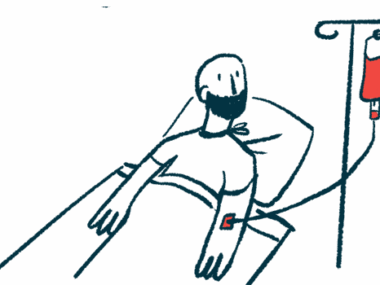
To achieve that, the man underwent one session of plasma exchange, a blood-cleaning procedure that allows the removal of antibodies, including cold agglutinins. It involves replacing a person’s plasma (the liquid part of the blood containing antibodies) with that of a healthy donor.
The replacement plasma was warmed to 37 C (98.6 F) to prevent exposing the patient’s blood to cold. Plasma exchange was completed about 90 minutes before general anesthesia. An anti-clotting medication was used during the procedure.
The man underwent a lung transplant with support from ECMO and strict temperature control throughout the procedure. Into-the-vein fluids and blood were warmed, a forced-air warming blanket was used, and the ECMO circuit was maintained at normal body temperature. Ice may be placed inside the chest during this type of surgery, but doctors avoided it in this case.
Warm saline was used to wash the chest area and warm the lungs immediately before restoration of blood flow to the transplanted lungs. The man’s core temperature remained well above the threshold of 30 C.
The procedure was successful. The man had no signs of hemolysis or blood clots. He received standard immunosuppressive medications to avoid rejection of the transplanted lungs, but no blood thinners.
“This case demonstrates that [lung transplant] can be successfully performed after preoperative [plasma exchange] in a patient with high-thermal amplitude [cold agglutinins] reactive at 30 °C,” the researchers wrote. “Accumulation of similar cases may contribute to refining risk assessment and perioperative management strategies.” Perioperative refers to the periods immediately before, during, and after surgery.

Leave a comment
Fill in the required fields to post. Your email address will not be published.