How I learned to advocate for myself with cold agglutinin disease
A fall on the stairs made me rethink what 'I'm managing' really means
Written by |
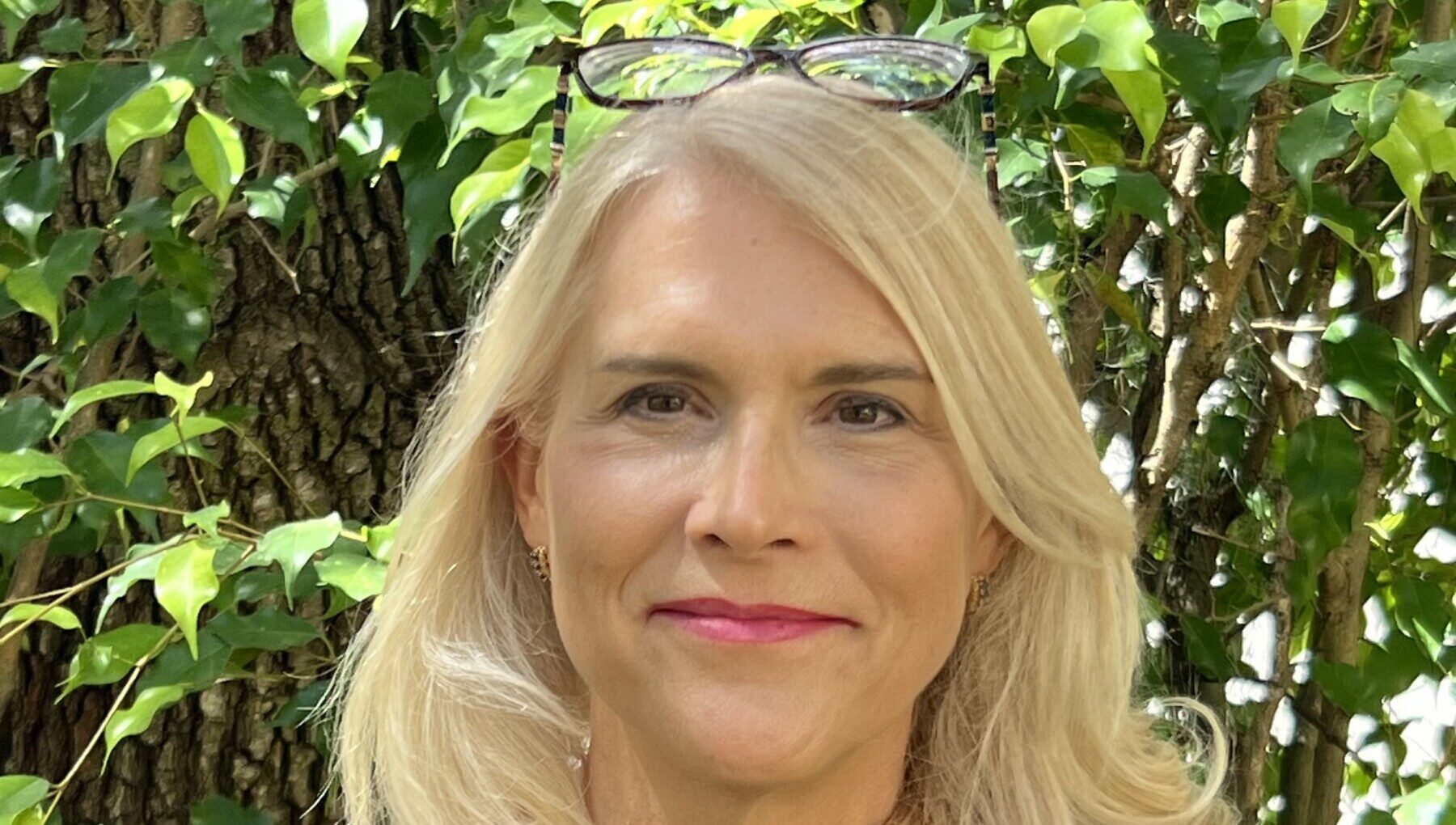
Ann Mallen had to figure out how to advocate for herself and communicate clearly what her daily life looks like for doctors. Courtesy of CAD Foundation)
I got used to feeling just OK until everyday tasks showed me how much had changed.
For years, I got used to feeling a little lightheaded, short of breath, or tired. When those changes came on gradually, it was easy to adjust. I slowed down, took breaks, and told myself I was coping. It took a fall on the stairs to show me how much I’d come to accept while living with cold agglutinin disease (CAD).
In 2013, the rheumatologist treating my lupus noticed that my hemoglobin had dropped below normal. My symptoms seemed mild at the time. I felt lightheaded now and then, sometimes got short of breath, and got tired more easily.
A few weeks later, at my new hematologist’s office, the phlebotomist came back after my blood draw and said she needed another sample. She mentioned a problem but didn’t explain what it was. When she returned for a third draw, the hematologist came with her.
“I’ve never seen a case of this in my whole career,” he said, “but I think you have cold agglutinin disease.”
He explained that my red blood cells had clumped in both samples, making them difficult to analyze. This time, the team would keep the tubes in a cup of warm water and run the sample right away.
Getting used to feeling just OK
Blood draws stayed complicated for years. Some phlebotomists were skeptical when I told them my samples needed to stay warm. When my red blood cells clumped and the lab couldn’t get an accurate result, I had to come back for another draw.
My hemoglobin went up and down, and I was wary of starting treatment. Some days I struggled to catch my breath or felt my heart pounding. Other days, the fatigue was overwhelming. Once, on my way upstairs, my legs gave out a few steps from the top. I fell and hit my head against the wall.
Over time, I developed several health problems, including bleeding in my retina that my specialist attributed to anemia. Eventually, I needed treatment. Afterward, I went into clinical remission, and my hemoglobin has been in the normal range for the past two and a half years. Looking back, I wish I’d told my care team sooner how much I’d changed my daily life just to get through it.
Telling my care team how my daily life looks
I’ve learned that saying “I’m tired” only tells part of the story. I can give my care team a clearer picture by describing what’s changed. Can I still ride my bike, walk through the mall, or keep up with my grandchildren? Do I need to stop halfway up the stairs? How is all of this affecting my mood?
It helps to talk about what those activities used to look like, too. If I could once walk through the mall without thinking about it and now need to sit down halfway through, that’s a change worth bringing up. I also want my care team to hear about symptoms that are still affecting me when my bloodwork looks better.
If I could go back to those early appointments, I’d spend a little less time saying, “I’m managing,” and a little more time explaining what it took to manage. I’d tell my doctor about the stairs and ask what we could do to help me feel steadier on them. That’s what self-advocacy looks like for me now. I want my care team to know what I’m struggling with and what I’d like to get back to doing.
This article was provided by our partner, The Cold Agglutinin Disease Foundation. It has been reviewed by Bionews for accuracy and relevance. The views and opinions expressed are those of the author and do not necessarily reflect the views of Bionews or Cold Agglutinin News.