
3 cases illustrate difference among AIHA types, treatments
All patients improved with targeted treatment, case series shows
Written by |

A 58-year-old woman who developed cold agglutinin disease (CAD) as a complication of blood cancer improved after treatment with medications to reduce the immune attack on red blood cells, along with chemotherapy for the underlying cancer.
Meanwhile, corticosteroids and other medications helped two patients with different forms of autoimmune hemolytic anemia (AIHA), a group of disorders in which the immune system mistakenly destroys red blood cells.
The three cases show how each subtype presents differently and requires distinct treatment approaches, researchers wrote in a study describing each one.
“This case series illustrates the different ways AIHA can present and highlights the need for detailed … testing to identify the exact type, as well as the differences in treatment and management across AIHA subtypes,” the researchers wrote. “It also emphasizes the importance of searching for an underlying cause, as this guides treatment and improves outcomes.”
The study, “Three Faces of Self-Destruction: A Case Series of Warm, Cold, and Mixed Autoimmune Hemolytic Anemia,” was published in Cureus.

Classified by temperature
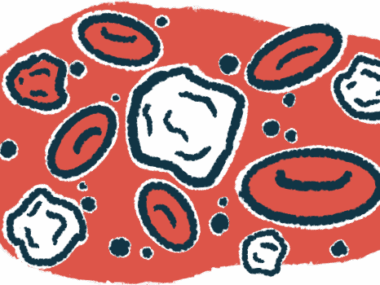
In AIHA, the immune system produces antibodies that mistakenly attach to red blood cells and mark them for destruction, causing symptoms such as anemia (low red blood cell levels), fatigue, and shortness of breath.
The disease is classified according to the temperature at which these antibodies react most strongly with red blood cells. In CAD, the antibodies are active at cold temperatures, while in warm AIHA, they react at normal body temperature. Mixed AIHA involves both warm- and cold-reactive antibodies.
Each subtype has a different underlying mechanism. While AIHA can develop on its own, it can also occur as a complication of other conditions, including infections, autoimmune diseases, or certain blood cancers.
Researchers in India described three patients with different types of AIHA.
One, a 58-year-old woman, had CAD that developed as a complication of a blood cancer. She sought medical care after about a week of fatigue and shortness of breath with exertion. She also had pale skin, jaundice (a yellowing of the skin and eyes), and an enlarged liver and spleen.
Blood tests confirmed severe anemia due to rapid red blood cell destruction. Additional testing showed that the immune attack was driven by cold-reactive antibodies, consistent with CAD. Further investigation revealed that the disease was secondary to B-cell acute lymphoblastic leukemia, a type of blood cancer.
The woman was treated with corticosteroids and rituximab to reduce the immune attack on red blood cells. She also received blood transfusions to manage the anemia and started chemotherapy for the leukemia, along with vitamin supplements to support red blood cell production. Over time, her blood counts improved, and signs of red blood cell destruction decreased.
In another case, a 55-year-old woman with primary warm AIHA complained of fatigue, swelling in both legs, worsening shortness of breath, jaundice, and blood in her urine. She improved after treatment with high-dose corticosteroids, red blood cell transfusions, and folic acid supplements to support red blood cell production.
The third case involved an 18-year-old woman with mixed AIHA linked to an underlying autoimmune disease. She sought medical care after 10 days of worsening shortness of breath on exertion, fever, and a productive cough with yellow sputum. She had severe pale skin, a fast heart rate, and an enlarged spleen.
The woman had antibodies that reacted with red blood cells at multiple temperatures, supporting the presence of both warm and cold autoantibody activity and confirming the diagnosis of mixed AIHA. She was treated with corticosteroids, antibiotics for a respiratory infection, an iron infusion, and medications to manage her autoimmune condition. Her condition improved within days.
“Although all three patients presented with features of [red blood cell destruction], the [blood] findings, underlying associations, and treatment approaches varied according to subtype and the immune mechanisms involved,” the researchers wrote. “All patients showed clinical and [improvements in blood parameters] with appropriate, subtype-specific therapy.”


Leave a comment
Fill in the required fields to post. Your email address will not be published.